Florine Huininga
7 April 2026
A country of contrasts and choices
South Africa is not a destination you can explore “quickly.” It’s a vast country with an incredible variety of landscapes, cultures, and experiences. That diversity is exactly what makes it so special, but also the biggest challenge when planning your trip: where do you start, and what do you combine?
During our travels, we explored different parts of the country. We spent a lot of time in the east around Kruger National Park, drove along the southern coast via the Garden Route, visited the wine regions around Stellenbosch and Franschhoek, and explored Cape Town and its surroundings. What stood out to us most was the sheer contrast South Africa offers. One day you’re driving along rugged coastlines with dramatic cliffs and endless beaches, and the next you’re surrounded by mountains or overlooking rolling vineyards. Each region truly has its own unique atmosphere and charm.
At the same time, you quickly realize how large the country is. From the air, you can see that much of central South Africa is vast, dry, and sparsely populated. It also explains why infrastructure, customs, and even languages vary so much across regions. South Africa has no fewer than 11 official languages, but in practice, you can get by very well with English everywhere. One thing we personally found amusing is that in some areas, especially in the east, you can still clearly hear influences of Dutch in the language, which sometimes gives traveling here a surprisingly familiar feeling.
The regions that shape your trip
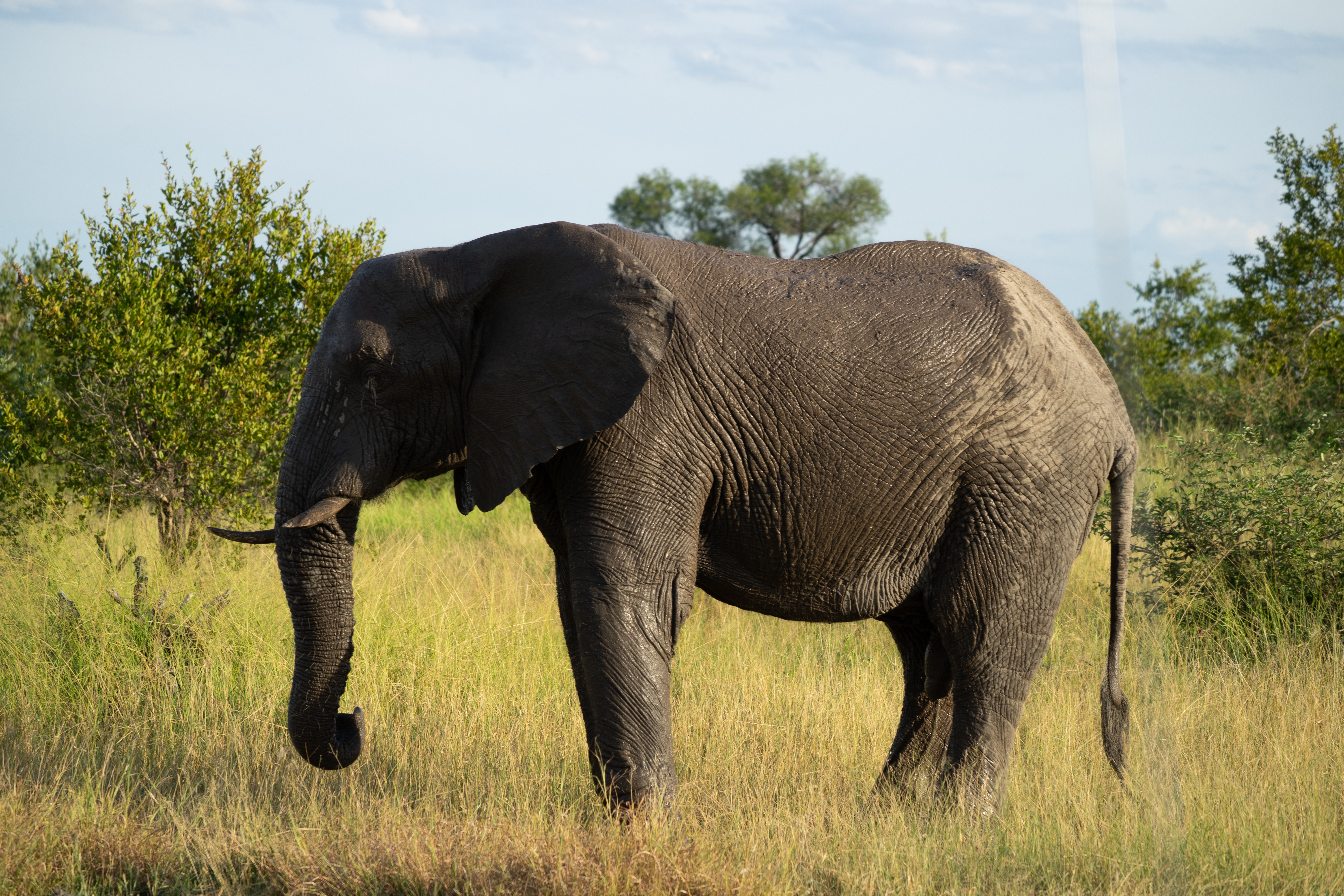
When traveling to South Africa, you’ll notice that most itineraries focus on a few key regions. In the northeast lies the Kruger area, which for many travelers is the absolute highlight. This is where everything revolves around safari and wildlife, with a high chance of spotting the Big Five. This region is located in a malaria zone, which is something to consider when planning your trip. Many travelers choose to take preventive measures or design their itinerary around malaria-free areas, something we’ll cover in more detail later in this series.
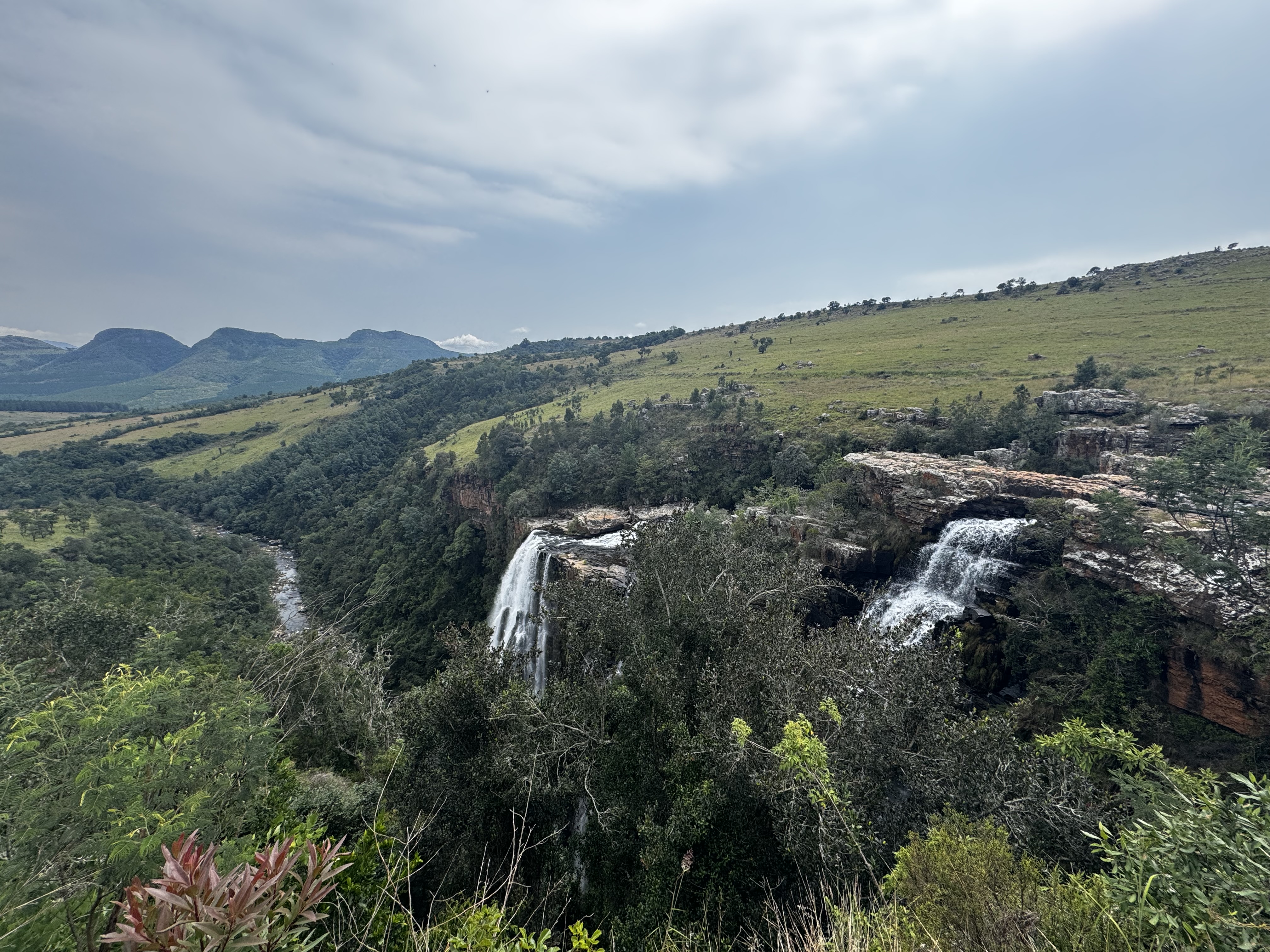
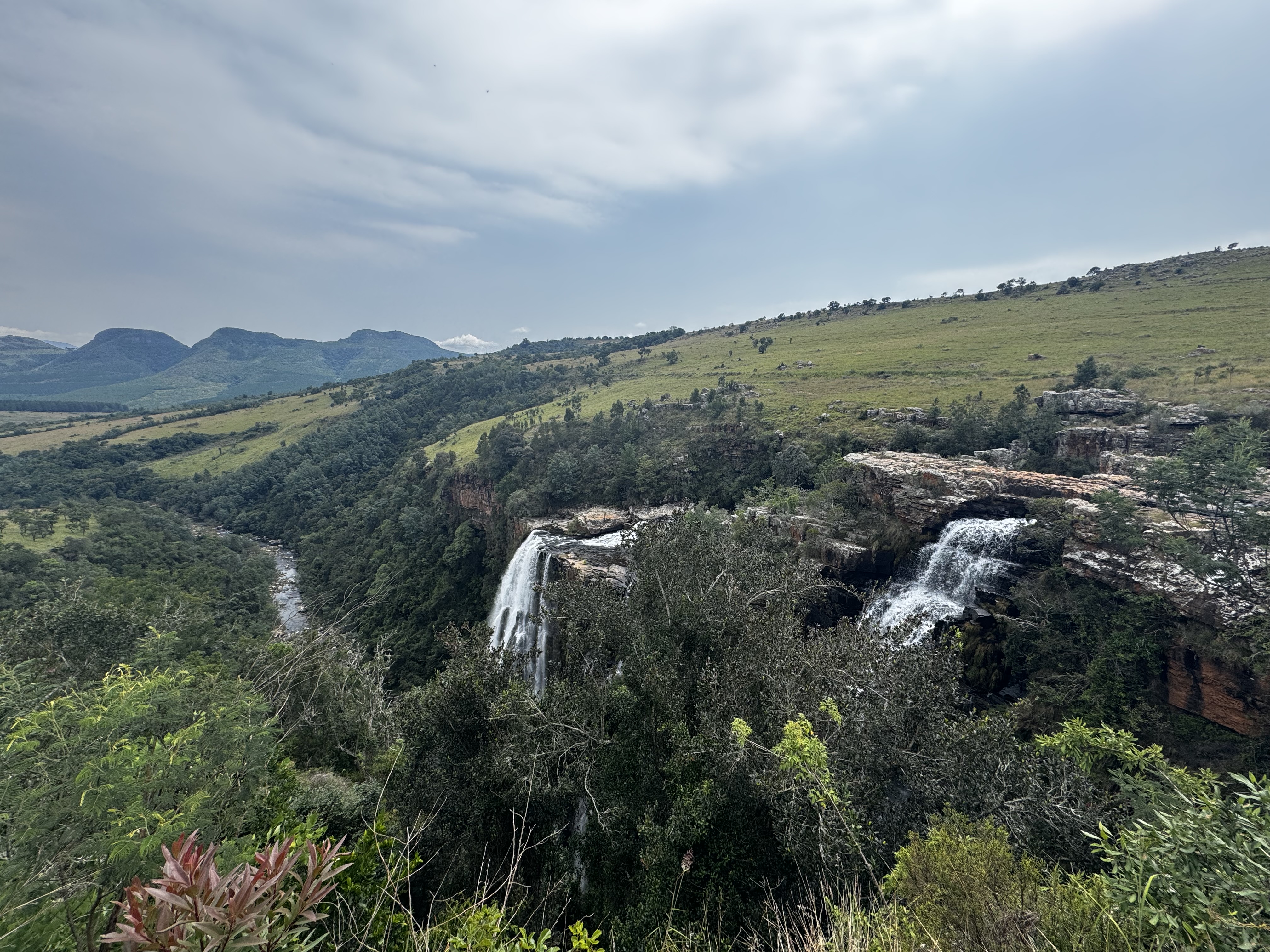
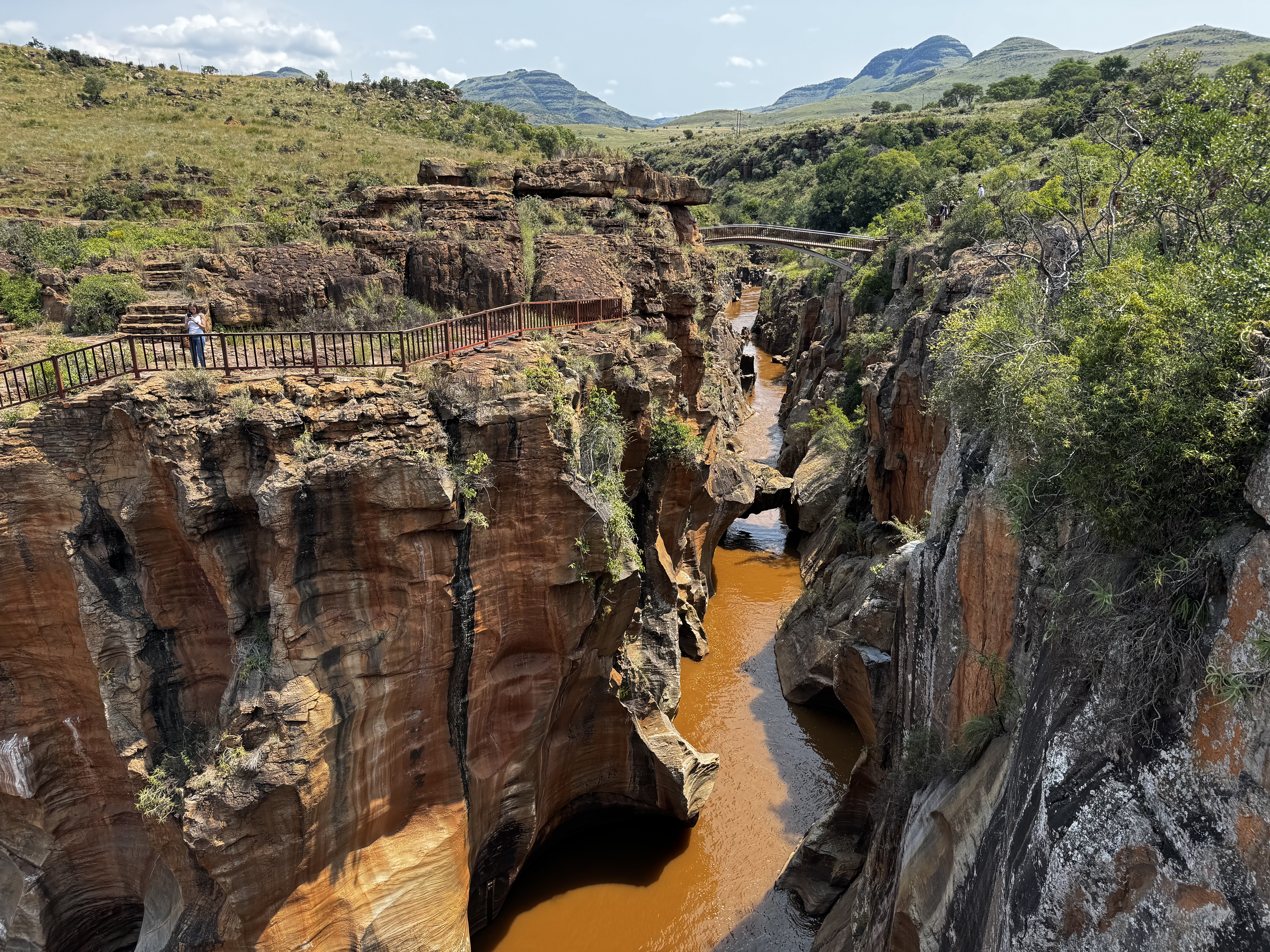
Close to Kruger National Park, you’ll also find the Panorama Route, one of the most scenic drives in the country. Here, you’ll pass breathtaking viewpoints, waterfalls, and dramatic canyons such as the Blyde River Canyon. This area combines perfectly with a visit to Kruger and offers a great balance between safari and nature.
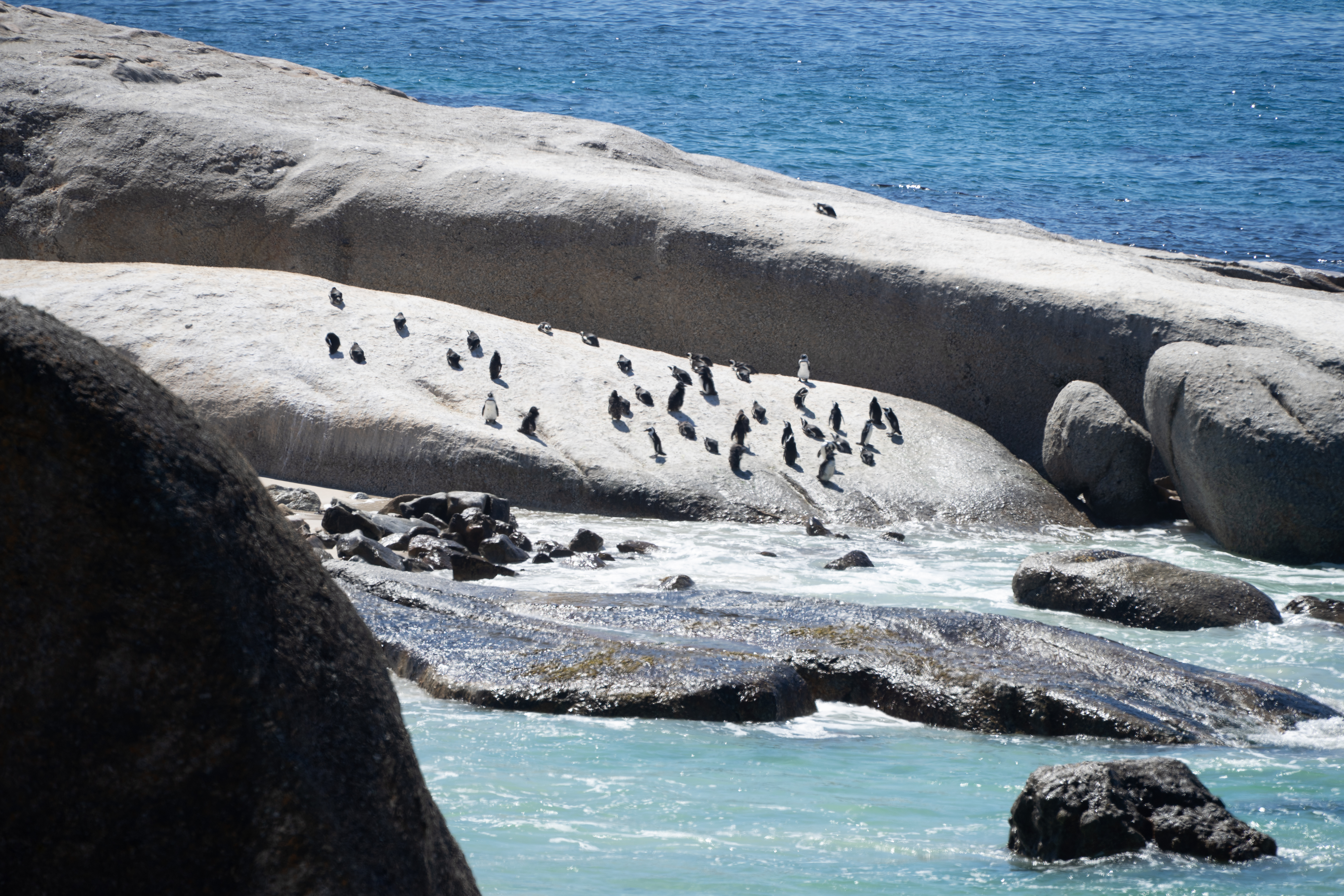
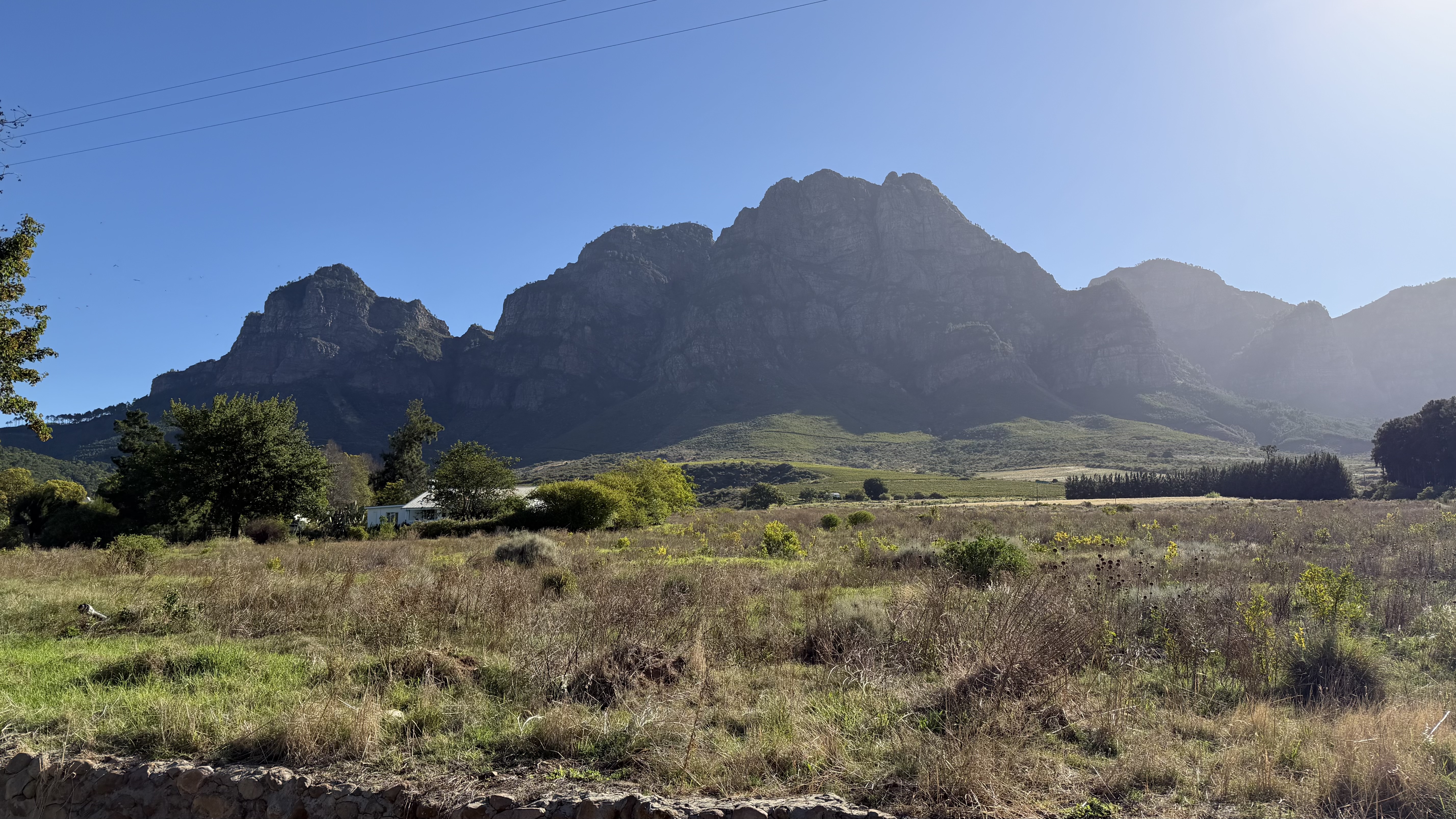
On the other side of the country, in the southwest, you’ll find Cape Town and its surroundings. This is a completely different world: a vibrant city surrounded by mountains and beaches, with iconic landmarks such as the Cape of Good Hope. Not far from there are the famous wine regions, where the pace slows down and you can spend your days enjoying wine tastings and long lunches among the vineyards.
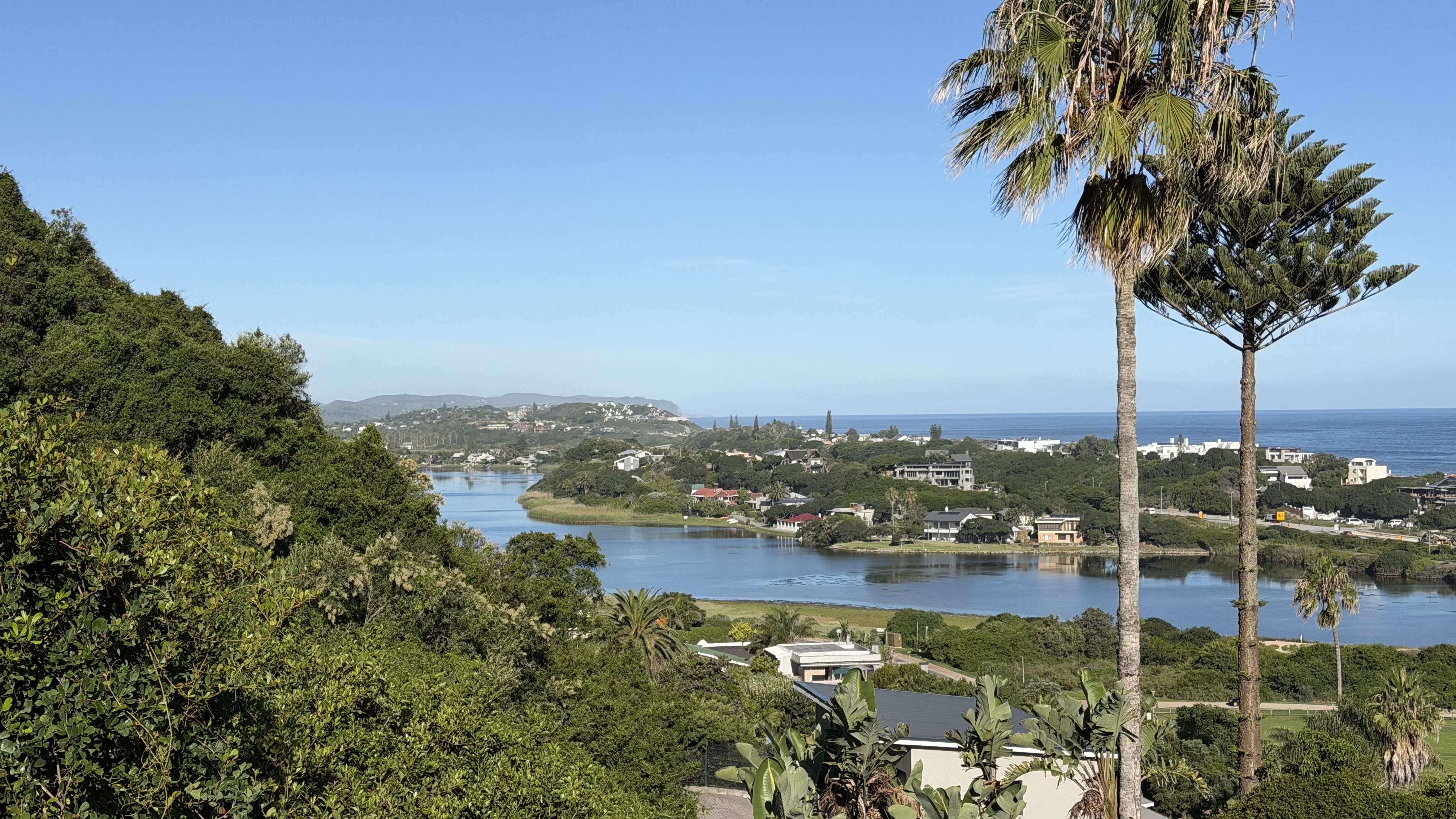
Along the southern coast runs the well-known Garden Route, arguably one of the most beautiful road trips in South Africa. Here, coastlines, forests, and charming seaside towns alternate, and the pace is much more relaxed compared to other parts of the country. This makes it an ideal region to either start your journey slowly or end it in a laid-back way.
For those looking for more tranquility and mountains, the Drakensberg Mountains are a unique addition. This region is less touristy, but precisely because of that, it feels pure and impressive. The landscape here is completely different again from the coast or the wine regions, yet another example of how diverse South Africa truly is.
Other regions (not covered in detail here)
Of course, South Africa has many more regions beyond the ones we’ve described above. Think of areas around Port Elizabeth and Durban, the inland regions towards Lesotho and Eswatini, or the northwest stretching toward Namibia. These areas are often more rugged, less touristy, and sometimes less developed in terms of infrastructure.
During our own trips, we chose to focus on the east, the southern coast, and the southwest of South Africa. In our opinion, these regions offer the most for a first (or second) introduction to the country, especially if you have limited time.
That doesn’t mean the other areas are less interesting, quite the opposite, but they often require more time, a different route, or a more specific travel plan. For this series, we focus on the regions we’ve personally experienced so we can guide you as honestly and practically as possible.
How do you combine these regions smartly?
The key to a great road trip lies in making choices. Because distances are large, it’s often unrealistic to combine everything into one trip. That’s why many travelers choose to split the country into sections. A popular route is to combine the Kruger region with Cape Town and the southern coast. For example, you could start with safari and nature in the east, then fly to Cape Town and explore the wine regions and the Garden Route from there. This way, you get a great mix of wildlife, nature, and city life, without having to drive extremely long distances.
If you have less time, it can be better to focus on one region, such as the southwest around Cape Town. Here, you can easily combine city, coast, and wine regions within a relatively compact area. If you’re looking for more peace and nature, a combination of the Kruger region and the Drakensberg Mountains is a great option.
Ultimately, the best route depends on how much time you have and what matters most to you. Do you want to focus on wildlife, or are you more interested in nature, coastlines, and cities? South Africa offers it all, but not all at once, and that’s exactly what makes planning your trip so exciting.
In the next articles, we’ll help you make those choices. We’ll dive deeper into different types of itineraries, how to travel through the country efficiently, and what to consider in terms of safety and practical matters. Step by step, you’ll be able to build your ideal South Africa trip.
Reisblogger & Avonturier
Ontdek markers van andere reizigers
Pin jouw eigen markers en deel je avonturen.
Ontdek markers van andere reizigers op deze locaties
Pin jouw eigen markers, maak journeys en deel je avonturen met duizenden andere reizigers.