
Florine Huininga
3 March 2024
Summer brings warm weather, perfect for exploring the great outdoors. Long days allow for extended adventures in Canada's vast landscapes. Everything is accessible, from high mountain passes to remote trails. Yet, this popularity comes with crowds and higher prices for travel and accommodation, which might detract from the solitude many seek in nature.
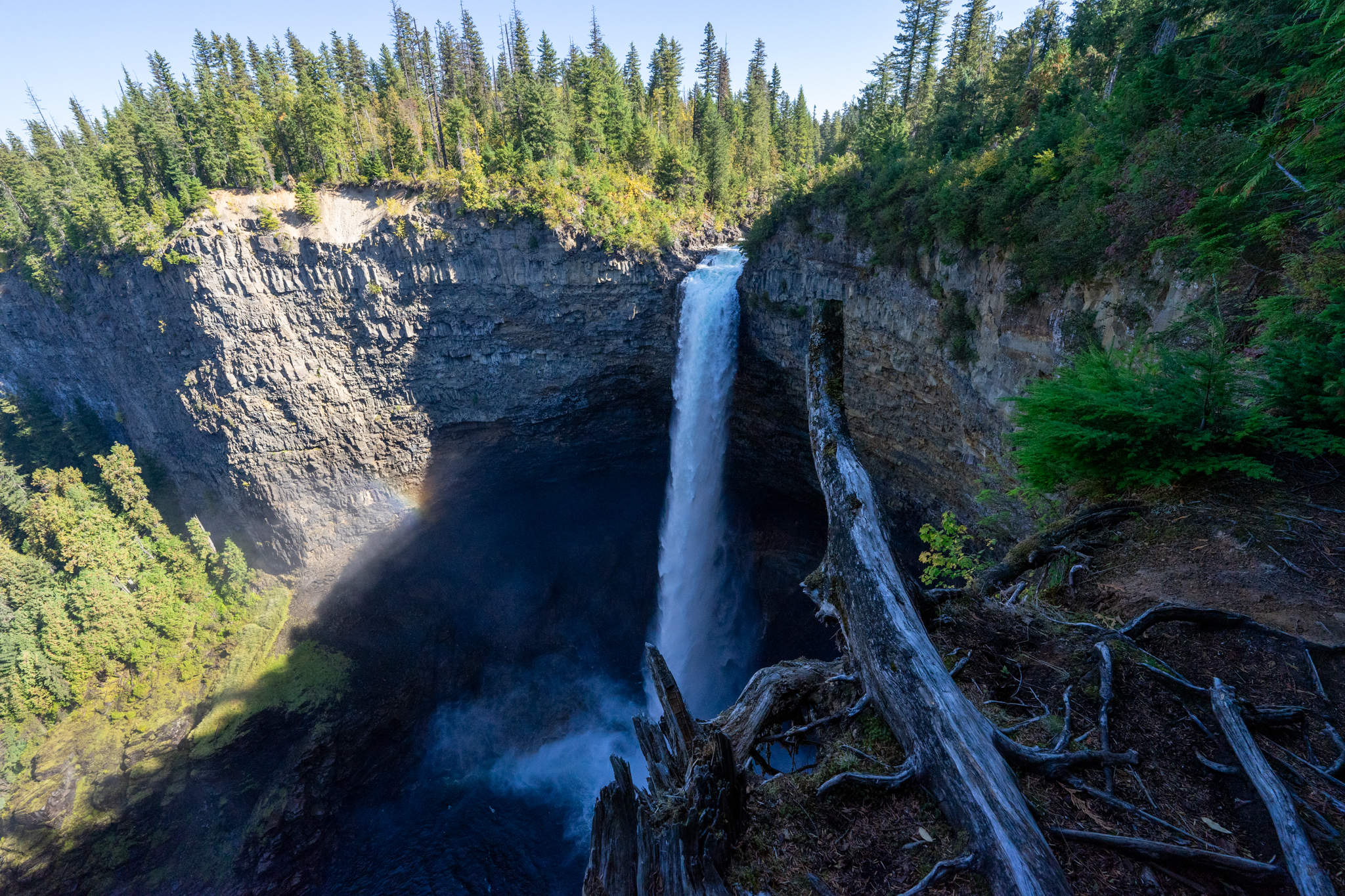
As we don't have children ourselves, we can go on vacation outside of school holidays. This provides some freedom, but it also means we are usually on vacation in spring or fall. Traveling to National Parks in spring means witnessing many waterfalls due to melting ice from glaciers. The disadvantage is that it can be colder.
The spring offers the chance to see nature rebirth, with blooming flowers and wildlife emerging. The lesser number of tourists during this season means more tranquility at major attractions. However, the weather can be unpredictable, with a possibility of snow in higher elevations and rain in lower ones. Access to some mountainous areas might still be restricted due to lingering snow.
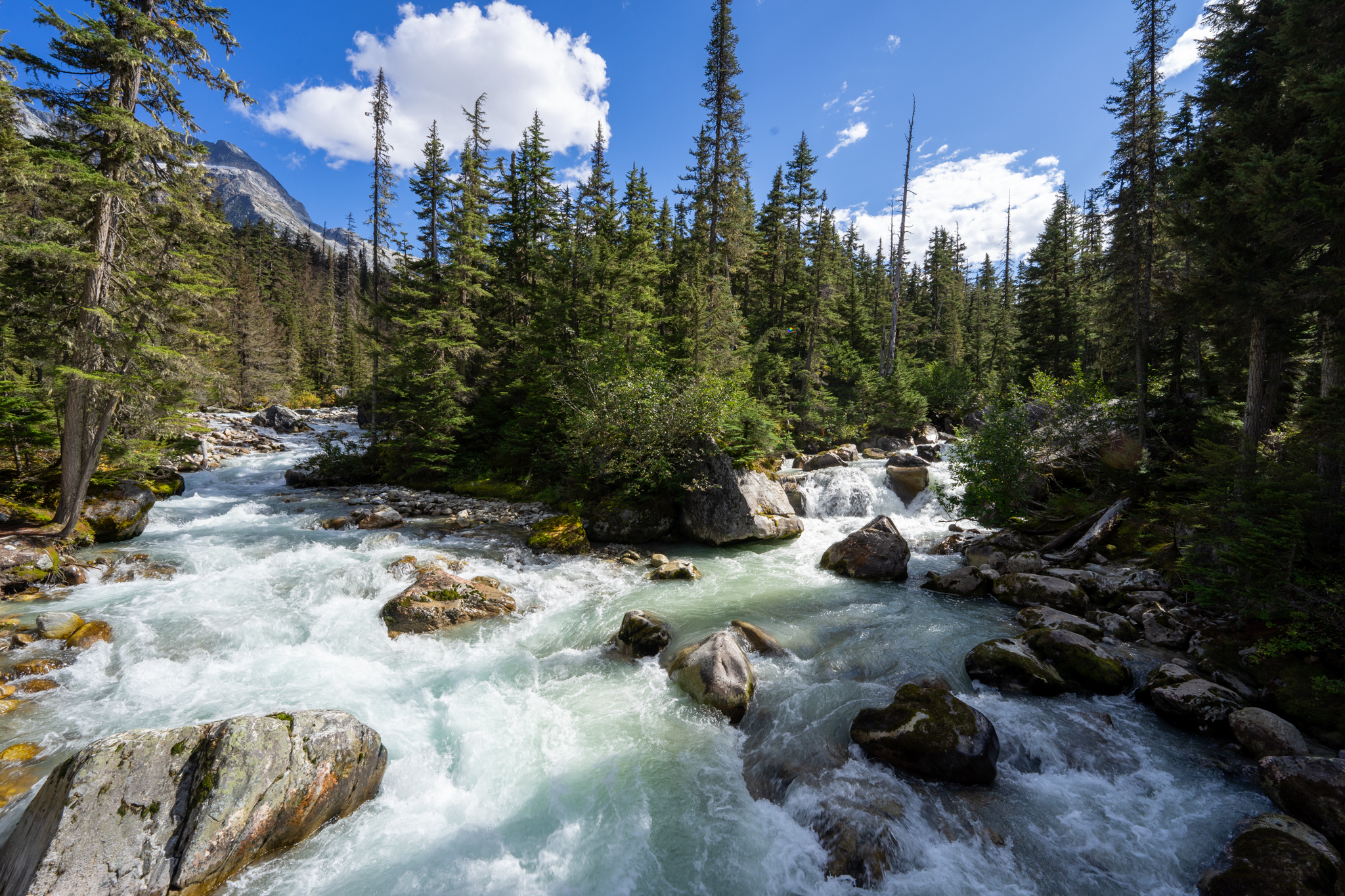
Fall has its advantages, as it's often a sunnier period. However, winter can arrive quickly, so weather and route considerations are essential. Waterfalls are less present in the fall because they often dry up, but the forests during this time showcase beautiful autumn colors.
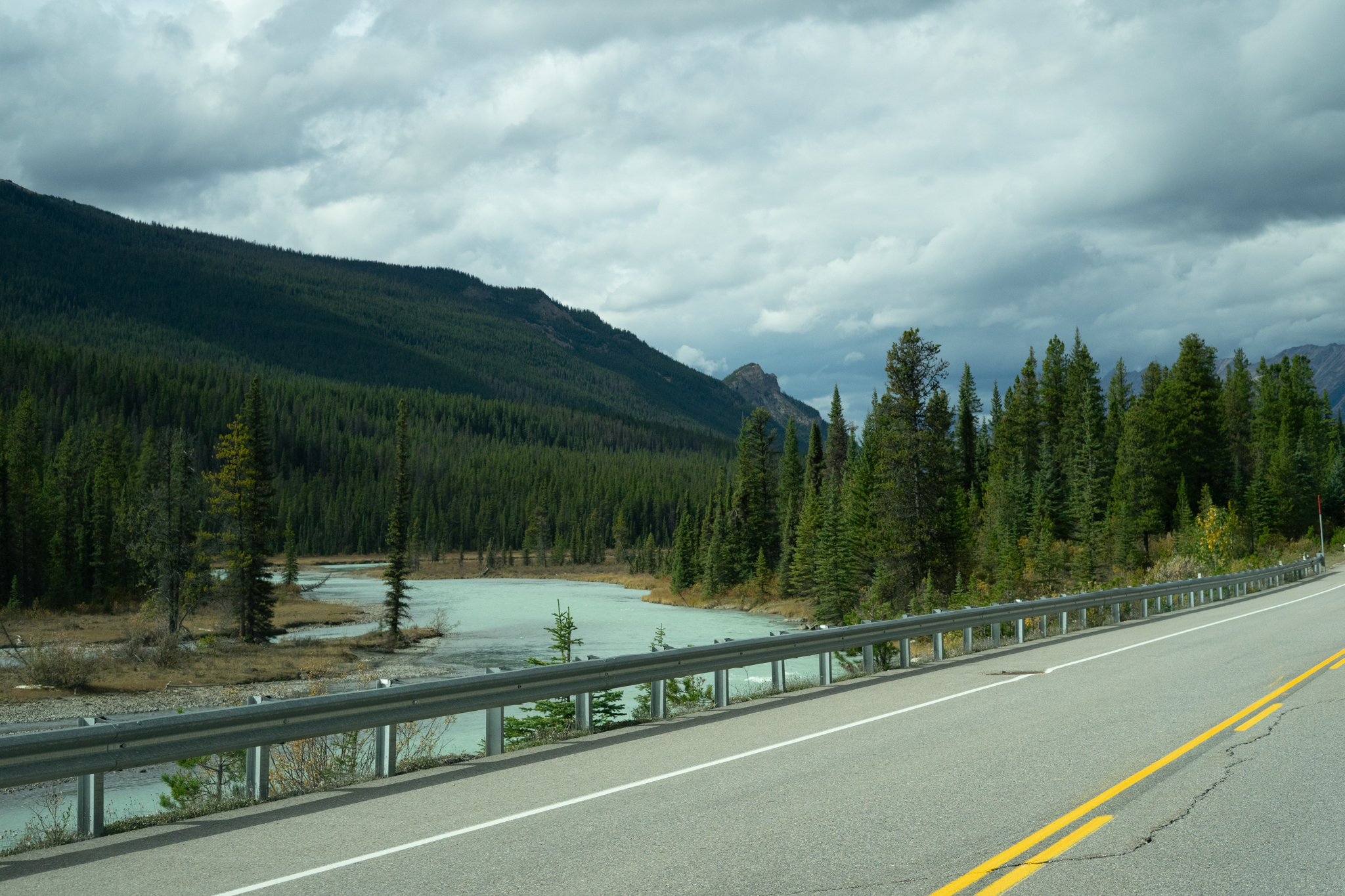
Autumn is therefor a spectacular time for a road trip, with the forests turning vibrant hues of orange, red, and yellow. The drop in tourism after the summer means fewer crowds and often more affordable travel options. The cooler weather is ideal for hiking without the summer heat, though it requires preparation for variable conditions, as days get shorter and the weather can change swiftly.
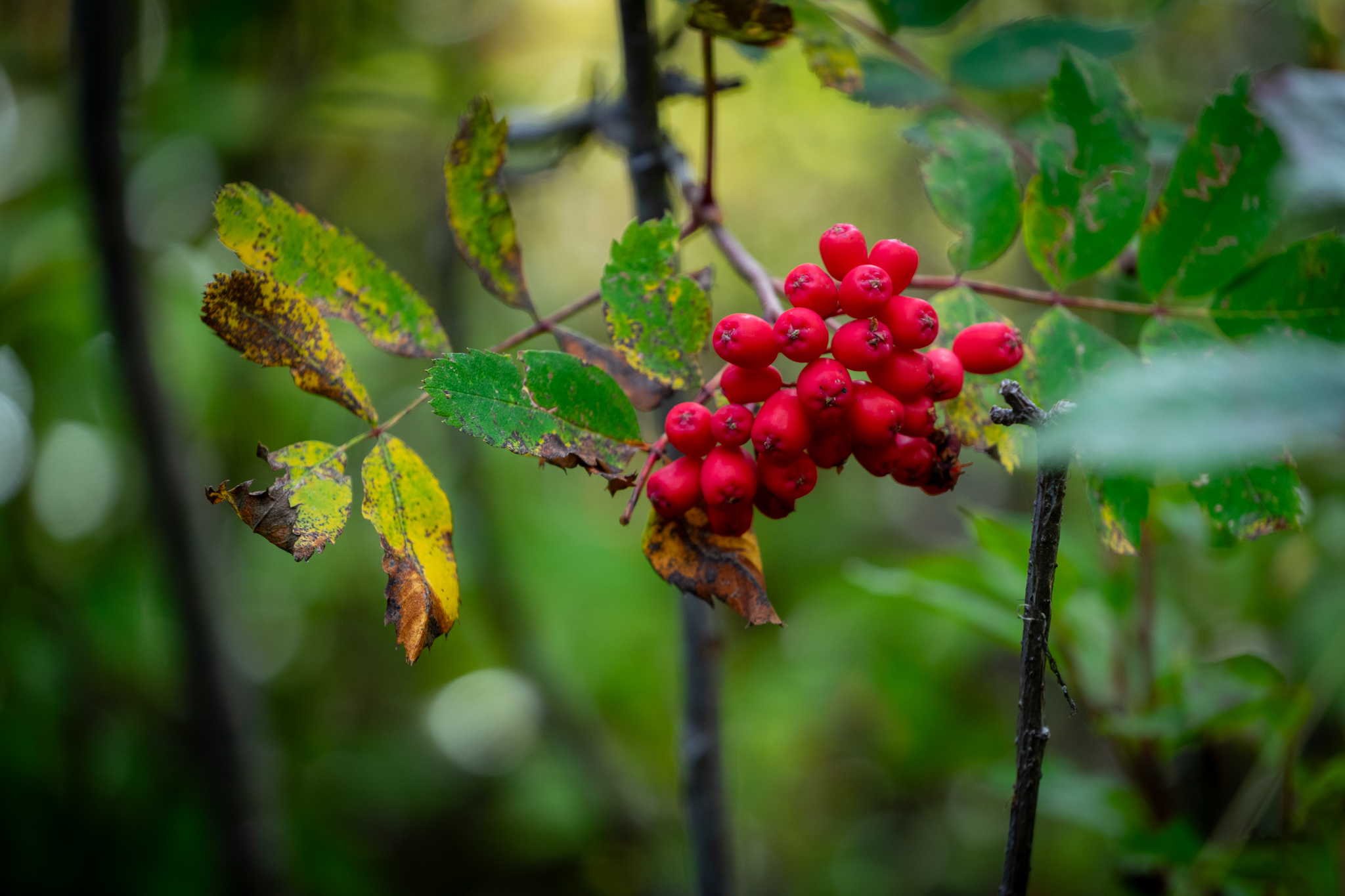
Fortunately, climate data, advantages, disadvantages, and statistics for visiting a destination are easily found on various websites. We decide to go in the fall and enjoy colorful forests, yellow autumn leaves, and (hopefully) sunny weather during the hikes. An interesting aspect of September is that it's the month when bears are extra active - Berry season, as they call it. Bears go on a final hunt for food before hibernating, and it's also the salmon season.
Finally, in this period, many humpback whales visit the coastal waters of Western Canada before they return to the Caribbean Sea for the winter season. This makes September an excellent time for wildlife sightings, something we're looking forward to.
Reisblogger & Avonturier
Ontdek markers van andere reizigers
Lake Louise
Florine Huininga • Hiking trails
Elk Falls Provincial Park
Florine Huininga • Roundtrip
Revelstoke NP
Florine Huininga • Roundtrip
Pin jouw eigen markers en deel je avonturen.
Ontdek markers van andere reizigers op deze locaties
Florine Huininga
Pin jouw eigen markers, maak journeys en deel je avonturen met duizenden andere reizigers.